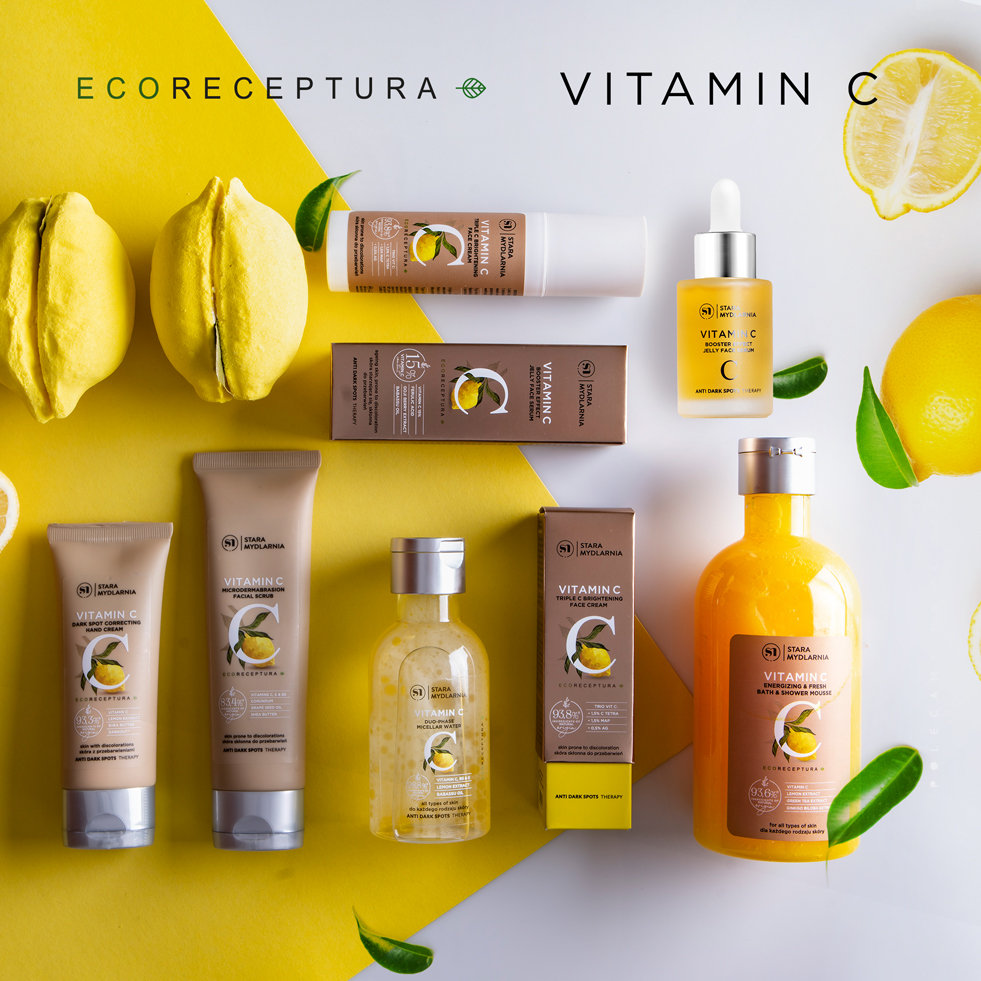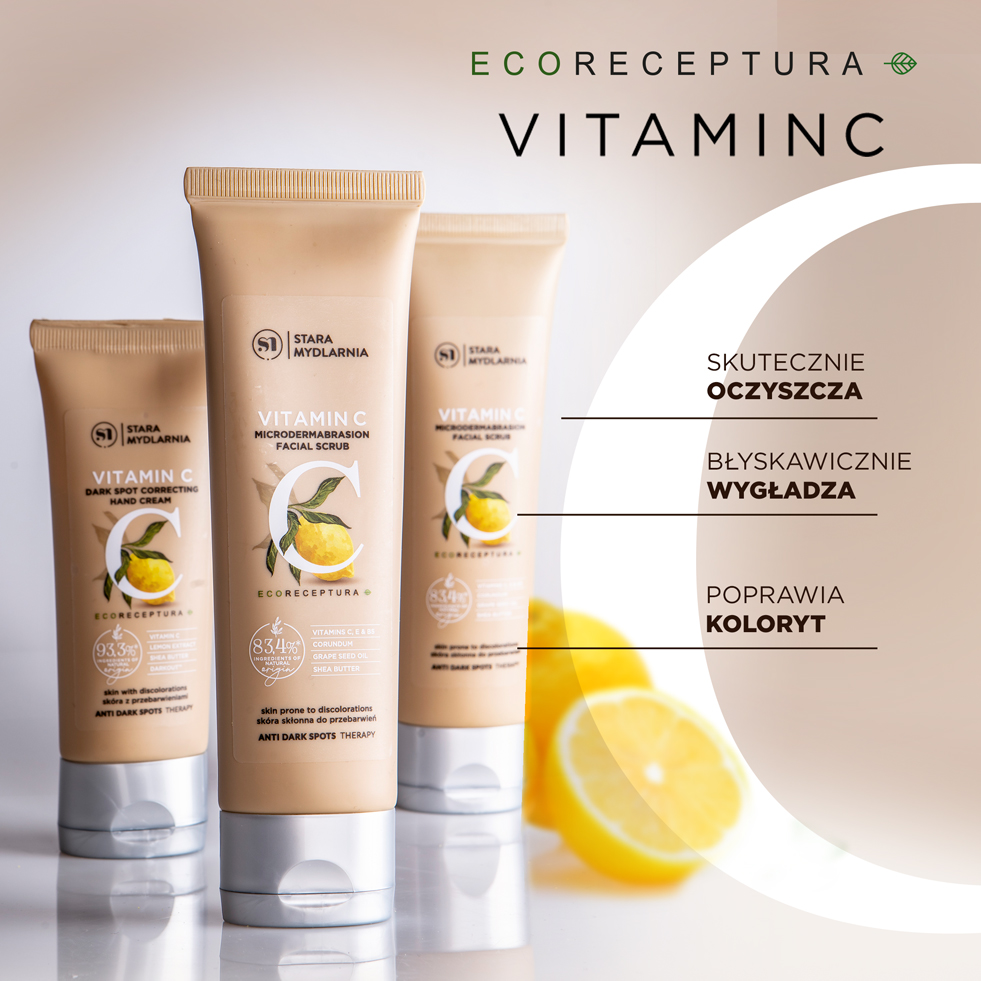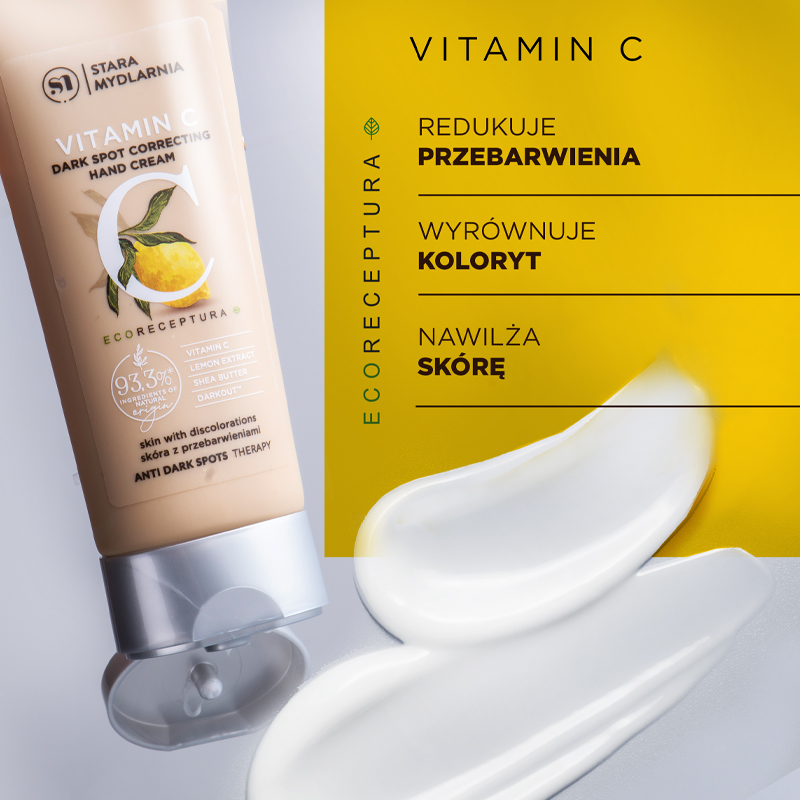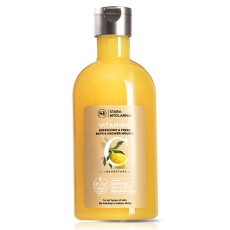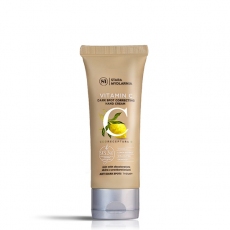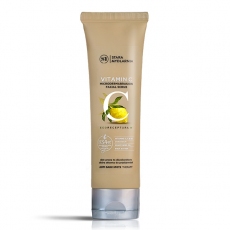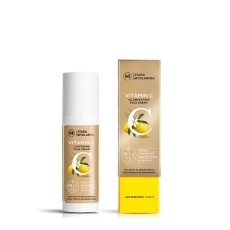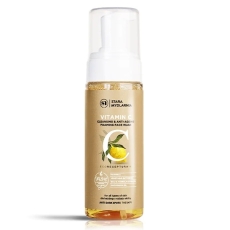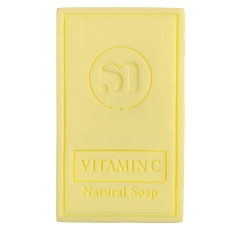
You ask whether our cosmetics with vitamin C can be safely used in the summer, it still raises many doubts. For years, vitamin C as an active ingredient has enjoyed unwavering popularity. Its increasingly improved form and multidirectional action mean that it can be successfully used in year-round care and for almost every skin type. We have suggestions for selected cosmetics with vitamin C that you can use all year round.

Vitamin C - how does it work on the skin and what are its forms?

Vitamin C comes in several different forms, each with unique properties and potential skin benefits. Here are a few of the most popular forms:

  • L-ascorbic acid:
    This is the most common form of vitamin C found in skin care products. It is also the most active form, which is a powerful antioxidant and has the ability to neutralize free radicals that can cause skin damage. L-ascorbic acid can help repair damaged skin by accelerating the production of collagen, which helps keep skin firm and healthy. It can also help reduce pigmentation spots and improve skin clarity.
  • Ascorbyl Palmitate:
    This is an ester of vitamin C and palmitic acid. It is less susceptible to degradation in the presence of light and air, making it more stable and durable. It acts as an antioxidant, helping to protect the skin from oxidative damage.
  • Magnesium Ascorbyl Phosphate (MAP):
    This form of vitamin C is also stable and penetrates easily into the skin. MAP acts as an antioxidant, protects the skin from oxidative damage and promotes collagen production.
  • Sodium Ascorbyl Phosphate (SAP):
    This is also a stable form of vitamin C. SAP is gentle on the skin, while helping fight acne by reducing sebum production and preventing blackheads. It is also an antioxidant and may help protect the skin from the harmful effects of UV radiation
  • Ascorbyl Glucoside:
    This is a stable form of vitamin C combined with glucose. This form is easily absorbed through the skin and is less irritating than L-ascorbic acid. Ascorbyl Glucoside acts as an antioxidant and helps protect the skin from oxidative damage.
  • Tetra E
    is a specific form of vitamin C (ascorbic acid), also known as ascorbyl tetraisopalmitate. It is a lipophilic (fat-soluble) form, meaning it is better absorbed through the skin than traditional vitamin C, which is water-soluble.

You ask whether our cosmetics with vitamin C can be safely used in the summer, it still raises many doubts. For years, vitamin C as an active ingredient has enjoyed unwavering popularity. Its increasingly improved form and multidirectional action mean that it can be successfully used in year-round care and for almost every skin type. We have suggestions for selected cosmetics with vitamin C that you can use all year round.

Vitamin C - how does it work on the skin and what are its forms?

Vitamin C comes in several different forms, each with unique properties and potential skin benefits. Here are a few of the most popular forms:

  • L-ascorbic acid:
    This is the most common form of vitamin C found in skin care products. It is also the most active form, which is a powerful antioxidant and has the ability to neutralize free radicals that can cause skin damage. L-ascorbic acid can help repair damaged skin by accelerating the production of collagen, which helps keep skin firm and healthy. It can also help reduce pigmentation spots and improve skin clarity.
  • Ascorbyl Palmitate:
    This is an ester of vitamin C and palmitic acid. It is less susceptible to degradation in the presence of light and air, making it more stable and durable. It acts as an antioxidant, helping to protect the skin from oxidative damage.
  • Magnesium Ascorbyl Phosphate (MAP):
    This form of vitamin C is also stable and penetrates easily into the skin. MAP acts as an antioxidant, protects the skin from oxidative damage and promotes collagen production.
  • Sodium Ascorbyl Phosphate (SAP):
    This is also a stable form of vitamin C. SAP is gentle on the skin, while helping fight acne by reducing sebum production and preventing blackheads. It is also an antioxidant and may help protect the skin from the harmful effects of UV radiation
  • Ascorbyl Glucoside:
    This is a stable form of vitamin C combined with glucose. This form is easily absorbed through the skin and is less irritating than L-ascorbic acid. Ascorbyl Glucoside acts as an antioxidant and helps protect the skin from oxidative damage.
  • Tetra E
    is a specific form of vitamin C (ascorbic acid), also known as ascorbyl tetraisopalmitate. It is a lipophilic (fat-soluble) form, meaning it is better absorbed through the skin than traditional vitamin C, which is water-soluble.

The most important properties of Tetra Forma Vitamin C include:

  1. Antioxidant action:
    Tetra Forma Vitamin C is a powerful antioxidant that helps protect the skin from the harmful effects of free radicals, which are one of the main causes of skin aging.
  2. Enhancing collagen production:
    Vitamin C is essential for the production of collagen, a protein that helps keep the skin firm and elastic. Tetra Forma Vitamin C helps stimulate collagen production, which translates into improved skin appearance and condition.
  3. Skin Brightening:
    Tetra Forma Vitamin C helps balance skin tone and lighten discolorations such as age spots and acne discolorations.
  4. Sun Protection:
    Vitamin C helps protect the skin from the harmful effects of UV radiation, which translates into a reduced risk of skin damage caused by the sun.
  5. Strengthening the Skin Barrier:
    Vitamin C helps strengthen the skin barrier, which helps the skin retain moisture better and protects it from harmful external factors.

The most important properties of Tetra Forma Vitamin C include:

  1. Antioxidant action:
    Tetra Forma Vitamin C is a powerful antioxidant that helps protect the skin from the harmful effects of free radicals, which are one of the main causes of skin aging.
  2. Enhancing collagen production:
    Vitamin C is essential for the production of collagen, a protein that helps keep the skin firm and elastic. Tetra Forma Vitamin C helps stimulate collagen production, which translates into improved skin appearance and condition.
  3. Skin Brightening:
    Tetra Forma Vitamin C helps balance skin tone and lighten discolorations such as age spots and acne discolorations.
  4. Sun Protection:
    Vitamin C helps protect the skin from the harmful effects of UV radiation, which translates into a reduced risk of skin damage caused by the sun.
  5. Strengthening the Skin Barrier:
    Vitamin C helps strengthen the skin barrier, which helps the skin retain moisture better and protects it from harmful external factors.

Please note that like any active ingredient in cosmetics, Tetra Forma Vitamin C may not be suitable for all skin types and its effects may vary depending on individual skin reactions. It is always a good idea to consult a dermatologist or skin care specialist before introducing a new ingredient to your skincare routine.

What forms of vitamin C do we use in the face cream?

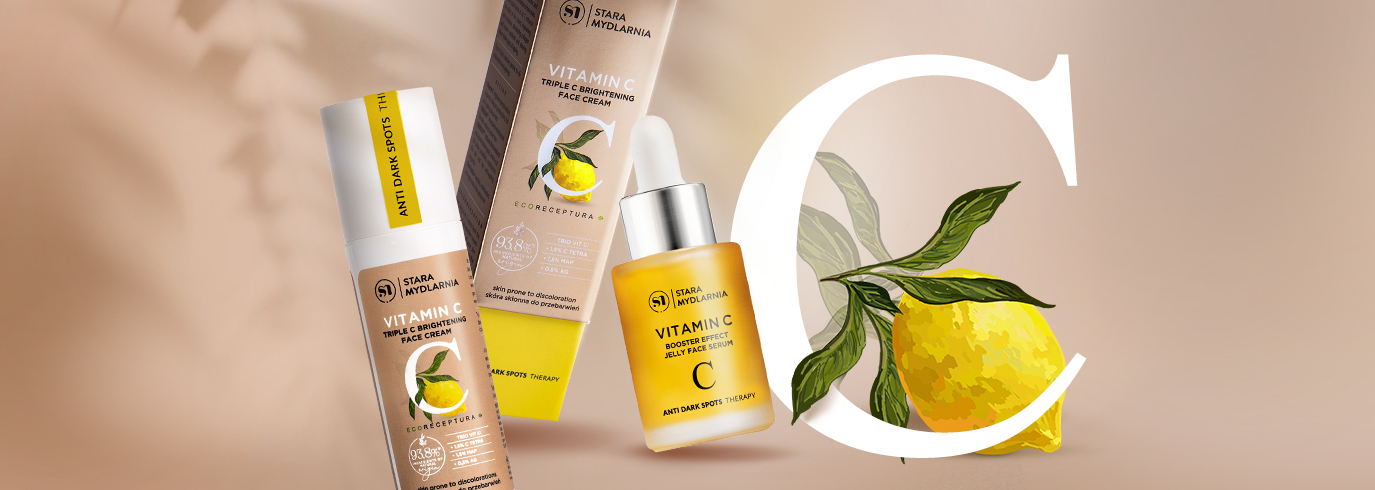
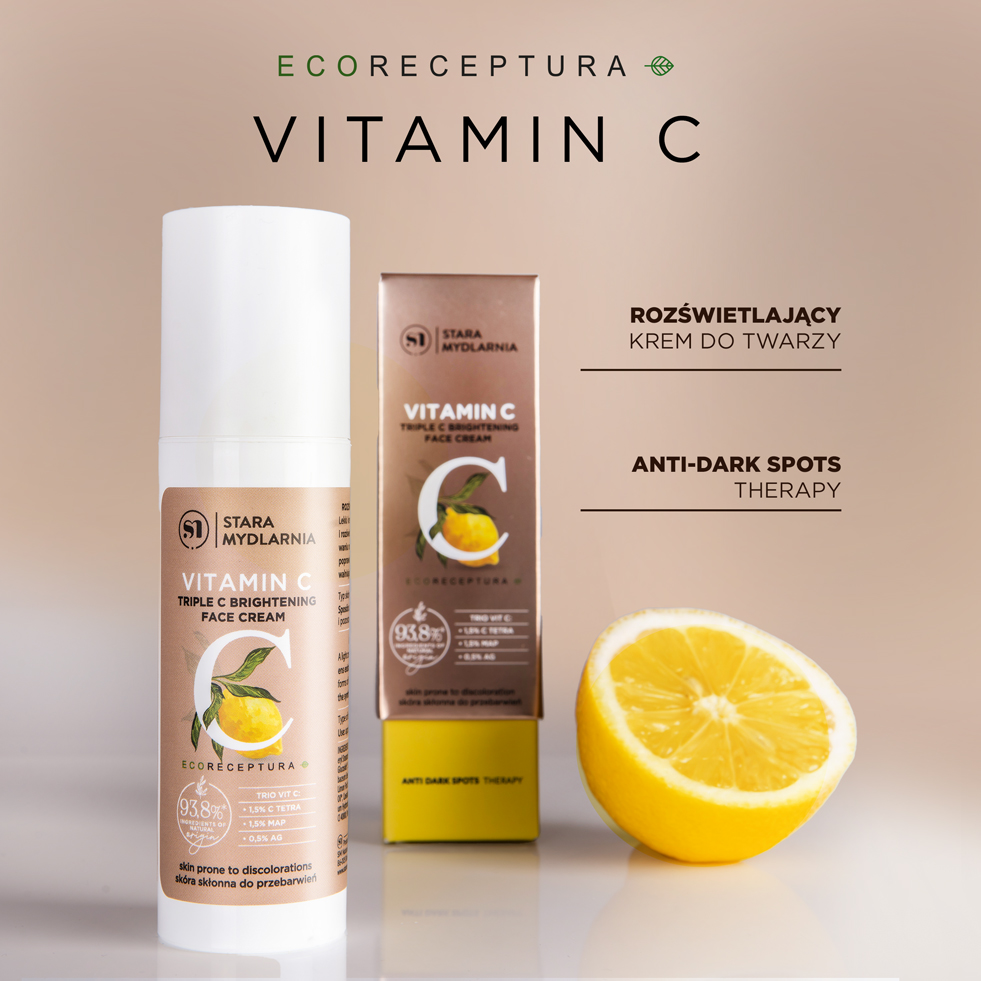
In our face cream we used three forms of vitamin C: Tetra E, MAP, Ascorbyl Glucoside - they brighten discolorations, support collagen production, have anti-aging effects

Other active ingredients include:

  • Xeradin™ - intensively moisturizes the skin, limits water loss
  • complex brightening DARKOUT™ - reduces discoloration and pigmentation spots, evens out the skin tone, nourishes, moisturizes the skin and has anti-aging properties
  • Shea butter - has a soothing, moisturizing effect, regenerates the epidermis
  • mango butter
  • cotton seed oil
  • grape seed oil
  • parsley extract, lime, lemon and acerola

Please note that like any active ingredient in cosmetics, Tetra Forma Vitamin C may not be suitable for all skin types and its effects may vary depending on individual skin reactions. It is always a good idea to consult a dermatologist or skin care specialist before introducing a new ingredient to your skincare routine.

What forms of vitamin C do we use in the face cream?

In our face cream we used three forms of vitamin C: Tetra E, MAP, Ascorbyl Glucoside - they brighten discolorations, support collagen production, have anti-aging effects

Other active ingredients include:

  • Xeradin™ - intensively moisturizes the skin, limits water loss
  • complex brightening DARKOUT™ - reduces discoloration and pigmentation spots, evens out the skin tone, nourishes, moisturizes the skin and has anti-aging properties
  • Shea butter - has a soothing, moisturizing effect, regenerates the epidermis
  • mango butter
  • cotton seed oil
  • grape seed oil
  • parsley extract, lime, lemon and acerola

Can vitamin C be used in summer?

Yes, cosmetics with vitamin C can be used in the summer. Vitamin C is a strong antioxidant that helps protect the skin from the harmful effects of free radicals, which are generated by the sun's rays. It can also help repair sun damage, brighten the skin, and increase collagen production, which contributes to a healthier, younger-looking complexion.

However, it is important to remember that some forms of vitamin C (like L-ascorbic acid) can be unstable in light and air. So, these products are best stored in dark, tightly closed containers and used at night to avoid degradation of vitamin C by sunlight.

It is also important to remember that using cosmetics with vitamin C does not replace the use of sunscreen. You should still use an SPF even if you use products with vitamin C. The fact that vitamin C has some protective properties does not mean that it provides sufficient protection against UV radiation.

Can vitamin C be used in summer?

Yes, cosmetics with vitamin C can be used in the summer. Vitamin C is a strong antioxidant that helps protect the skin from the harmful effects of free radicals, which are generated by the sun's rays. It can also help repair sun damage, brighten the skin, and increase collagen production, which contributes to a healthier, younger-looking complexion.

However, it is important to remember that some forms of vitamin C (like L-ascorbic acid) can be unstable in light and air. So, these products are best stored in dark, tightly closed containers and used at night to avoid degradation of vitamin C by sunlight.

It is also important to remember that using cosmetics with vitamin C does not replace the use of sunscreen. You should still use an SPF even if you use products with vitamin C. The fact that vitamin C has some protective properties does not mean that it provides sufficient protection against UV radiation.

Vitamin C cosmetics - for what skin type?

Vitamin C is generally considered safe and effective for a variety of skin types. It can be used by people with dry, normal, and oily skin. Here are some of the benefits that vitamin C can bring to different skin types:

  1. For Dry Skin:
    Vitamin C acts as a powerful antioxidant and helps rebuild collagen, which can improve the hydration of dry skin. In addition, it can help to even out skin tone and reduce discolorations.
  2. For normal skin:
    Vitamin C can help maintain healthy and radiant skin. Its antioxidant properties can protect the skin from damage caused by external factors such as UV radiation and environmental pollutants.
  3. For oily skin:
    Vitamin C can help regulate sebum production, which is beneficial for those with oily skin. Additionally, it can help fight acne and reduce the visibility of pores.
  4. Vit. C Cosmetics for Skin with Discoloration.

Cosmetics containing vitamin C are often recommended for people with skin discoloration problems. Vitamin C is a powerful antioxidant that helps repair sun damage and also anti-aging.

Vitamin C has brightening properties, meaning it can help smooth and even out skin tone. This is due to its ability to inhibit the production of the enzyme tyrosinase, which is responsible for the production of melanin. Melanin is the pigment that gives skin, hair, and eyes their color. When melanin production is uneven, it can lead to discoloration.

However, please note that results may vary depending on the person and type of discoloration. Some discolorations can be more difficult to treat than others, and even the best cosmetics may not produce the desired results without additional dermatological treatment.

Regardless of your choice, it is also important to use sunscreen, as sun exposure can increase discoloration and prevent it from healing.

Vitamin C cosmetics - for what skin type?

Vitamin C is generally considered safe and effective for a variety of skin types. It can be used by people with dry, normal, and oily skin. Here are some of the benefits that vitamin C can bring to different skin types:

  1. For Dry Skin:
    Vitamin C acts as a powerful antioxidant and helps rebuild collagen, which can improve the hydration of dry skin. In addition, it can help to even out skin tone and reduce discolorations.
  2. For normal skin:
    Vitamin C can help maintain healthy and radiant skin. Its antioxidant properties can protect the skin from damage caused by external factors such as UV radiation and environmental pollutants.
  3. For oily skin:
    Vitamin C can help regulate sebum production, which is beneficial for those with oily skin. Additionally, it can help fight acne and reduce the visibility of pores.
  4. Vit. C Cosmetics for Skin with Discoloration.

Cosmetics containing vitamin C are often recommended for people with skin discoloration problems. Vitamin C is a powerful antioxidant that helps repair sun damage and also anti-aging.

Vitamin C has brightening properties, meaning it can help smooth and even out skin tone. This is due to its ability to inhibit the production of the enzyme tyrosinase, which is responsible for the production of melanin. Melanin is the pigment that gives skin, hair, and eyes their color. When melanin production is uneven, it can lead to discoloration.

However, please note that results may vary depending on the person and type of discoloration. Some discolorations can be more difficult to treat than others, and even the best cosmetics may not produce the desired results without additional dermatological treatment.

Regardless of your choice, it is also important to use sunscreen, as sun exposure can increase discoloration and prevent it from healing.

WE RECOMMEND

Product added to wishlist